Waste Management Made Simple
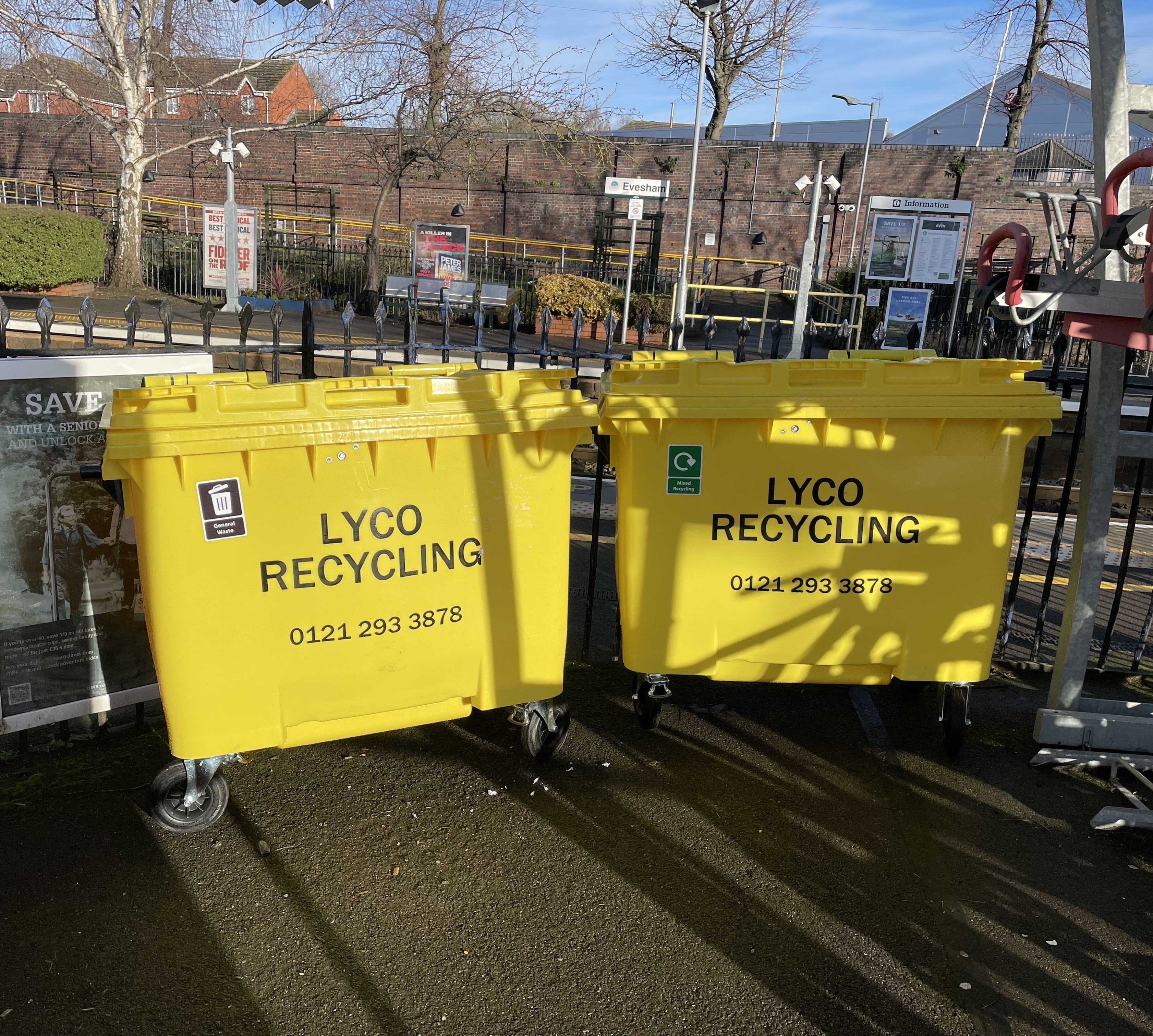
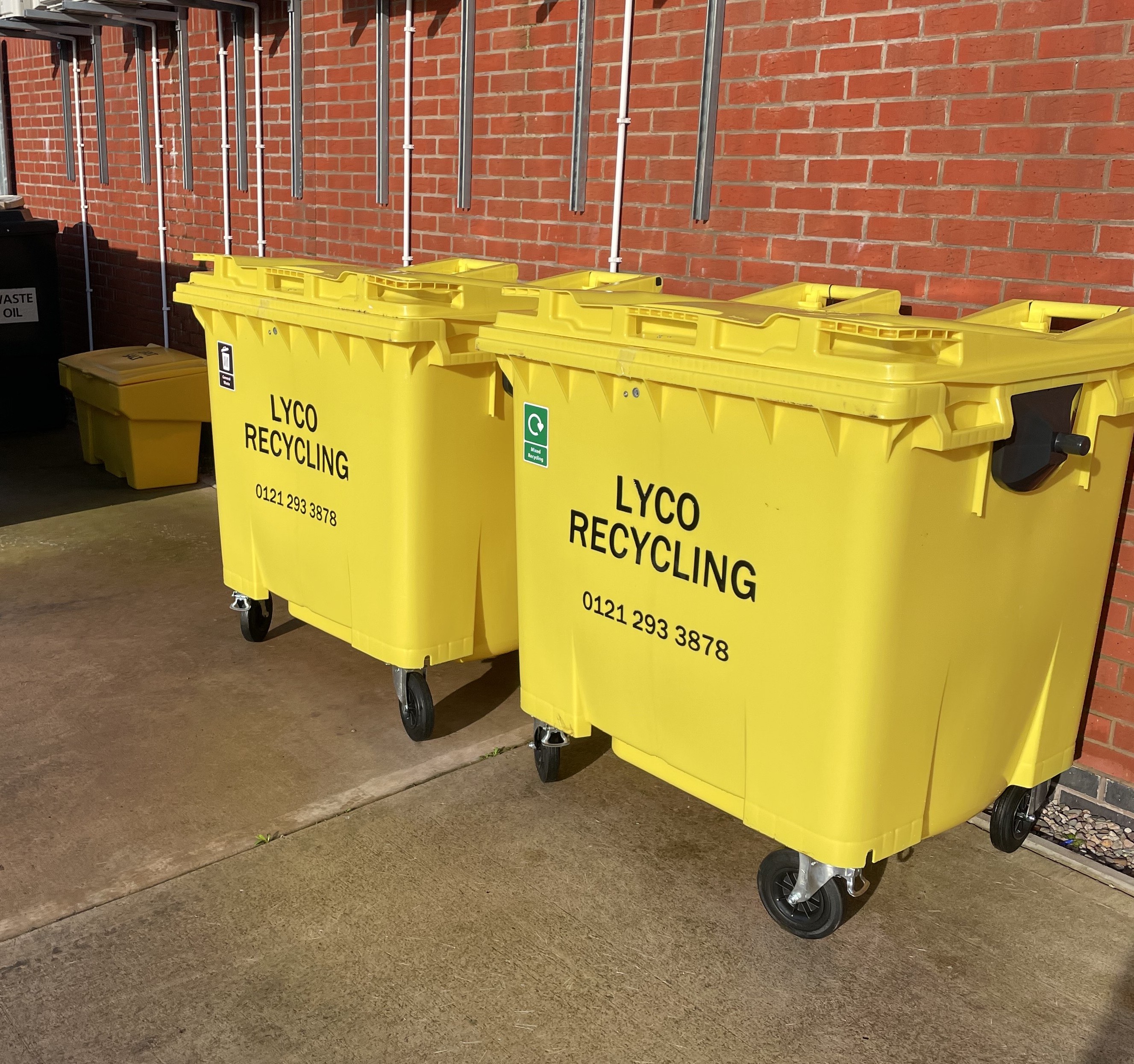
Lyco Recycling offer General Waste, Mixed Recycling, Glass Recycling Recycling and Food Waste Recycling collections across Worcestershire County and Beyond.
E: services@lycorecycling.com | T: 0121 293 3878
Bins available
1100L | 660L | 360L | 240L
For more information or to arrange a free no obligation waste audit contact our friendly team
Lyco Recycling is the number 1 independently owned glass collection company in the UK
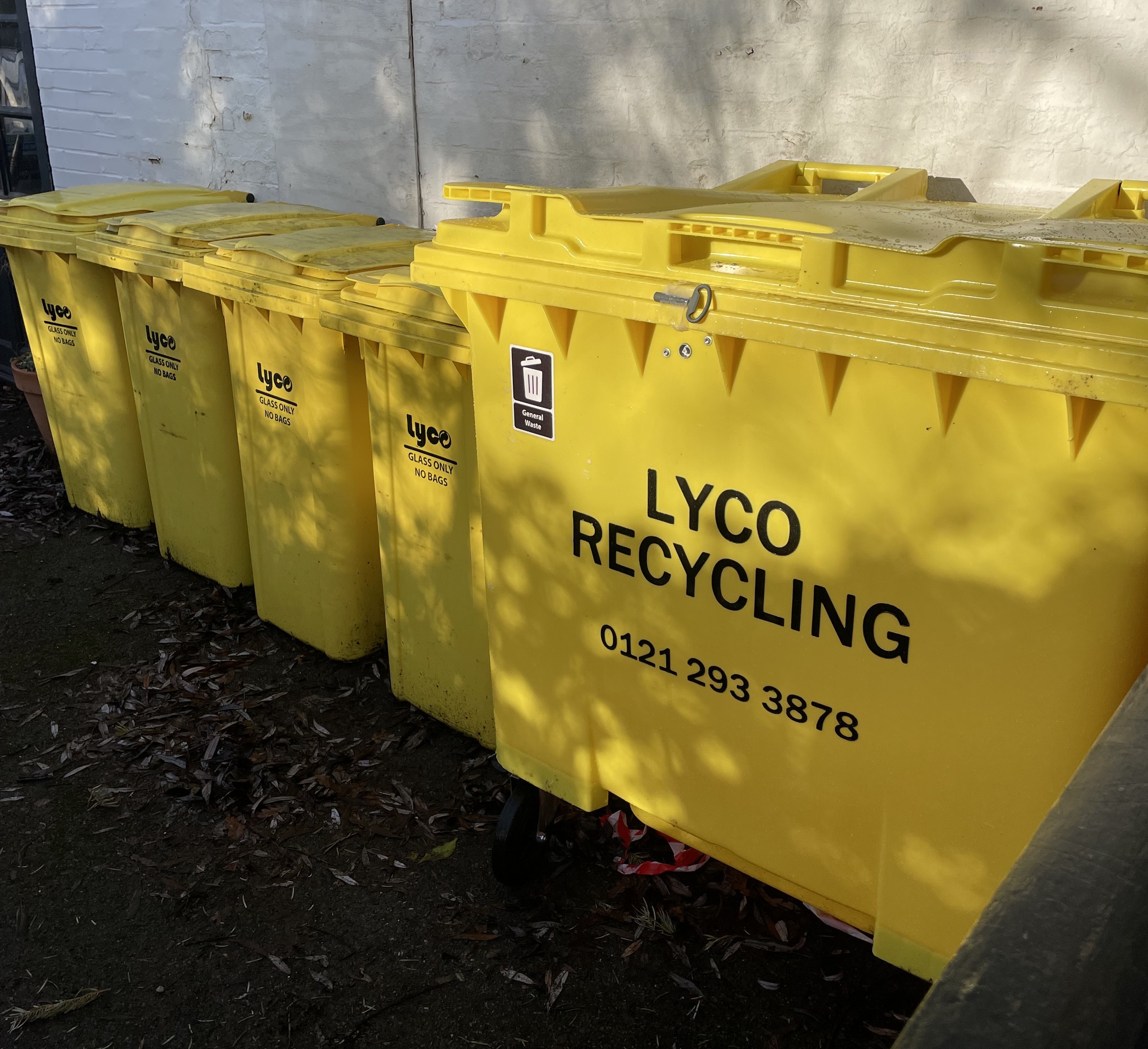
Lyco collect glass recycling across Staffordshire, Herefordshire, Warwickshire, West Midlands & Worcestershire.
Glass recycling offers environmental benefits by conserving natural resources, reducing energy consumption and pollution, and saving landfill space. It also has economic benefits for businesses and communities by lowering disposal costs and can be turned into new products, as glass is 100% and endlessly recyclable
General Waste Collections
General waste bins are for items that cannot be recycled, soiled packaging, polystyrene, and certain other everyday non-recyclables.
Broken glass (usually requires separate disposal)
Food waste (required to be separated for collection, but often collected via a separate food waste bin)
Soiled paper and card (e.g., greasy pizza boxes)
Plastic film, plastic bags, and cling film
Polystyrene
Tissues, kitchen roll, and paper towels
Crisp packets and foil-lined food pouches
Certain soiled packaging that cannot be rinsed clean
Nappies and sanitary products
Dog and cat waste
Textiles and shoes (these should be recycled separately or donated)
Dry Mixed Recycling Collections
Dry Mixed Recycling
paper and cardboard – such as newspapers, envelopes, boxes and cardboard food packaging
glass – such as drinks bottles and rinsed empty food jars
metal – such as drinks cans and rinsed empty food tins, empty aerosols (air fresheners, deodorants), aluminium foil, aluminium food trays and tubes
plastic – such as rinsed empty food containers (pots, tubs, trays, tubes), bottles and cartons
Food Recycling Collections
Food waste
You must collect separate food waste, even if the workplace does not serve food or have a kitchen – please see more on Simpler Recycling legislation below.
This rule applies no matter how little food waste you have. You should not ask members of staff to take food waste home.
Food waste might include:
- food leftovers, including from customer or staff meals
- banana skins and apple cores
- coffee grounds and tea bags
- waste from food preparation, such as onion skins
Simpler Recycling – All workplaces in England must separate their waste before it’s collected, including any waste produced by employees, customers and visitors.
You must always separate:
Non-recyclable waste (also called residual waste)
Dry recyclable materials (plastic, metal, glass, paper and card)
Food waste
